
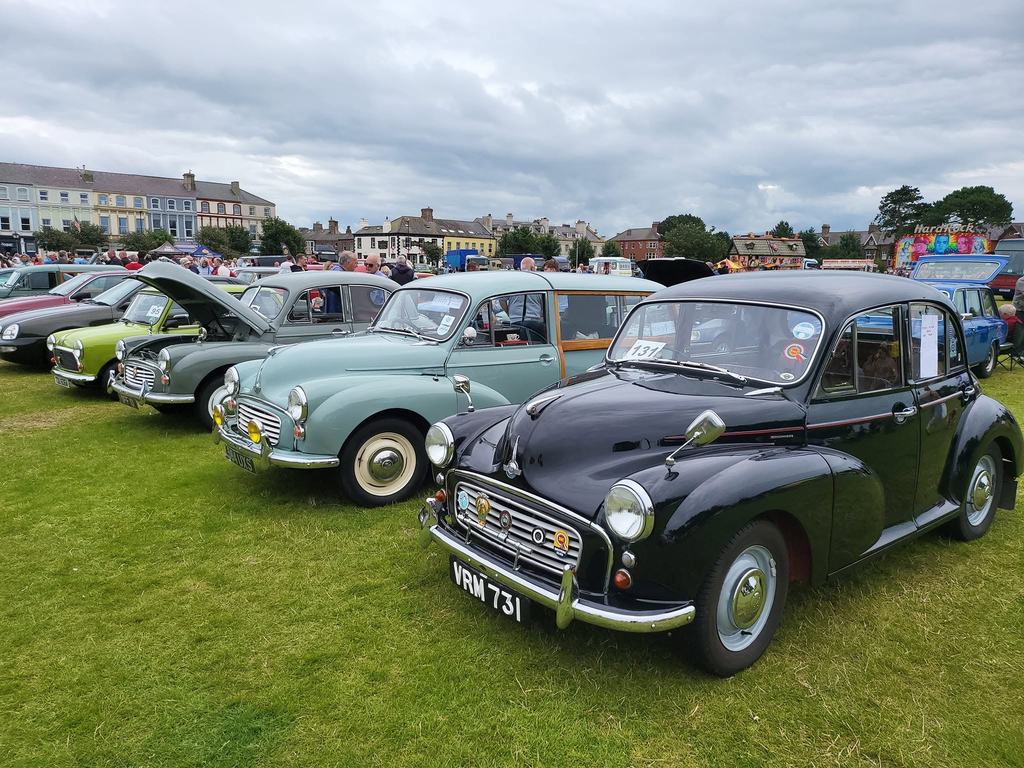
The Morris Minor occupies a special place in the classic car world: it is not the fastest, rarest, or most glamorous British car, but it may be one of the most approachable. With its rounded “jellymould” styling, simple mechanicals, strong club network and genuinely usable character, the Minor remains a welcoming entry point into classic motoring.
A car built for real life
Designed under Alec Issigonis and launched at the 1948 Earls Court Motor Show, the Morris Minor was conceived as affordable, practical family transport for post-war Britain. It introduced features that were advanced for a small British car of its era, including independent front suspension and rack-and-pinion steering.
It was also a commercial landmark. The Minor became the first British-built car to pass one million sales, reaching that milestone in 1961; more than 1.6 million were eventually produced between 1948 and 1971.
Why enthusiasts still love it
The Minor’s appeal is rooted in familiarity. For many people, it evokes family holidays, village lanes, seaside trips and a time when cars were simpler to understand and repair. Its friendly face and unpretentious proportions make it instantly recognisable, while its modest performance encourages owners to enjoy the journey rather than chase speed.
| Quality | Why it matters to classic owners |
|---|---|
| Simple engineering | Straightforward mechanical layout makes maintenance and restoration approachable. |
| Parts availability | A strong specialist and parts network helps keep cars on the road. |
| Club support | The Morris Minor Owners Club provides technical advice, events, local branches and a marketplace. |
| Everyday usability | Its compact size, light controls and relaxed character suit modern roads and casual outings. |
| Broad appeal | Saloons, convertibles, Travellers, vans and pick-ups offer different ownership experiences. |
More than a show car
Some classics are best admired from behind a rope at a concours lawn. The Morris Minor is different: it is a car designed to be driven, used and enjoyed. Owners regularly take Minors to local meets, rallies, charity runs and weekend tours, where the car’s approachability helps break down barriers between seasoned restorers and first-time classic owners.
That social side is central to its lasting popularity. The Morris Minor Owners Club was founded to promote the preservation and use of the post-war Minor, and its network of branches, rallies and technical resources continues to make ownership less intimidating.
A range for every taste
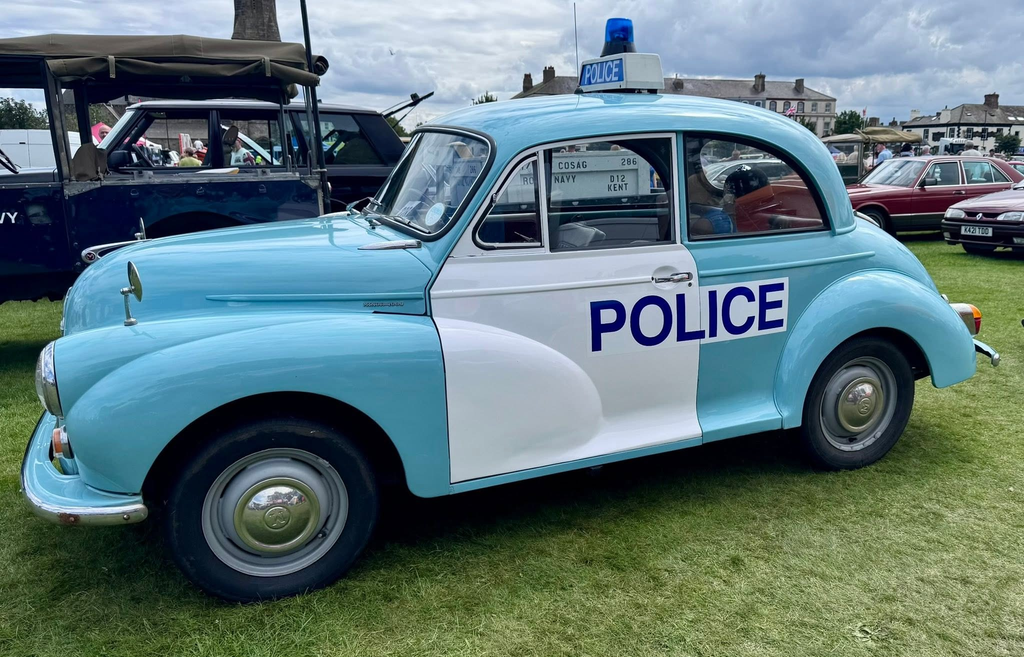
The Minor was never just one car. Buyers could choose a two-door saloon, convertible, wood-framed Traveller estate, van or pick-up, giving the model a breadth that still suits different kinds of enthusiast.
- Saloon: The most familiar and often most affordable route into Minor ownership.
- Convertible: A charming open-air classic with strong visual appeal.
- Traveller: The timber-framed estate is among the most sought-after versions, combining practicality with quintessential British character.
- Van and pick-up: Commercial variants add a distinctive, workmanlike flavour to the scene.
- Minor Million: A limited 1961 commemorative edition marking the millionth Minor, and the model most associated with a collector premium.
An accessible classic market
Unlike many collectable classics, the Minor remains within reach for many enthusiasts. Recent auction data suggests a broad, condition-led market: a typical Minor 1000 saloon has a median around £3,600, while convertibles average about £5,800 and Travellers about £7,400; exceptional examples can reach considerably higher.
That does not mean every Minor is inexpensive. Condition, originality, documentation and body style matter greatly, and a poor car can quickly become an expensive project. But compared with many British classics, the Minor offers a relatively realistic path to ownership, with usable cars, parts support and a community that can help newcomers avoid common pitfalls.
Its place in the classic scene
The Morris Minor fits into the classic car scene as the dependable, sociable everyman. It stands alongside more exotic British icons, but its role is different: rather than representing wealth, speed or exclusivity, it represents ordinary motoring history made memorable.
It is the car that turns a quiet village show into a conversation, encourages a nervous newcomer to pick up a spanner, and proves that classic ownership does not have to mean trailer queens or six-figure restorations. In a hobby that can sometimes seem intimidating, the Minor remains refreshingly human: modest, useful, characterful and easy to love.
Final thought
The Morris Minor endures because it offers something increasingly rare: a classic car that is both historically significant and genuinely usable. It is a link to Britain’s motoring past, but also a living part of today’s classic community—one rally, repair and Sunday drive at a time.
Disclaimer: This article was shamelessly produced using AI so please do allow for any factual errors! The pictures have been taken from our Facebook page.