
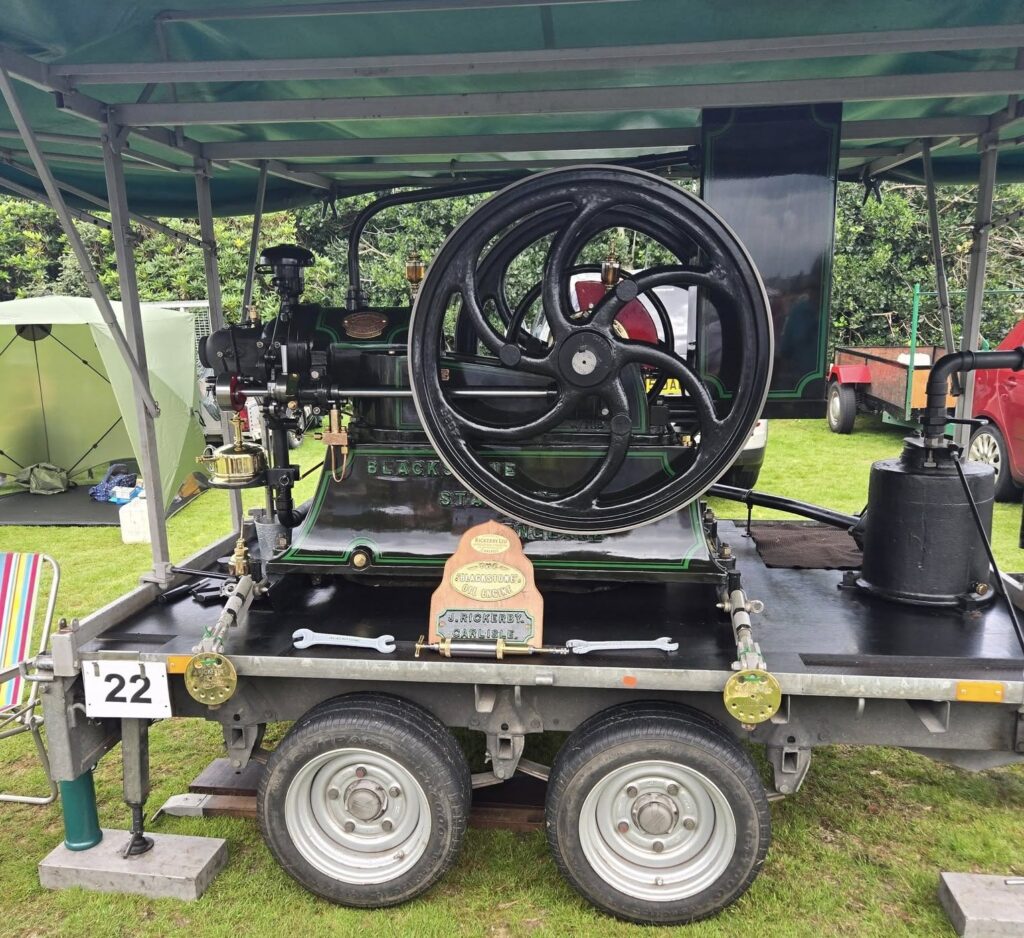
The hobby of stationary engines involves finding, restoring, running, and displaying old engines that were built to remain in one place. Unlike car or tractor engines, stationary engines were designed to drive fixed equipment such as water pumps, generators, workshop machinery, farm equipment, and factory machines.
These engines were once a familiar part of rural and industrial life. Before electricity was widely available, they provided practical power for farms, workshops, mills, quarries, and small businesses. Today, enthusiasts preserve them as working examples of past engineering.
What the Hobby Involves
People who enjoy stationary engines may collect them, repair them, research their history, or simply enjoy seeing them run. A typical project begins with an old, neglected engine that may be rusty, seized, or missing parts.
The owner cleans and inspects the engine, replaces worn components, and gradually brings it back into working order. Some people aim for a highly original restoration, while others are happy to keep an engine reliable and usable for demonstrations.
Running an engine is an important part of the hobby. Owners may connect it to a pump, dynamo, saw bench, or other suitable equipment to show how it would have been used in the past.
Types of Engines
The hobby includes several kinds of engines:
- Petrol, paraffin, and diesel engines – Small to medium internal-combustion engines, often used on farms and in workshops.
- Gas engines – Larger engines that once ran on town gas, producer gas, or other fuel gases.
- Stationary steam engines – Steam-powered engines used in mills, pumping stations, factories, and other industrial sites.
- Model engines – Small working models, often powered by steam or fuel, built or restored for display and enjoyment.
Engines vary greatly in size. Some are compact enough to be moved by one person, while others are large industrial machines that require considerable space, equipment, and expertise.
Rallies and Displays
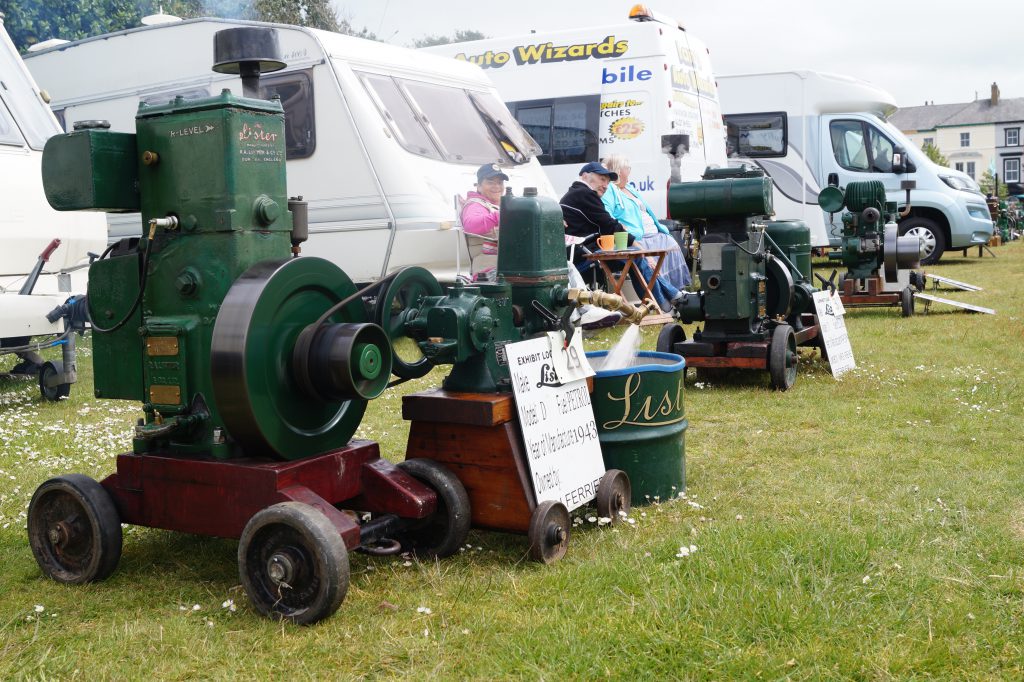
Stationary-engine enthusiasts often meet at steam rallies, country shows, museum events, and local gatherings known as “crank-ups.” At these events, engines are displayed and sometimes run for visitors.
Displays help people understand how machinery worked before modern electric motors became common. Owners often explain the history of their engines, demonstrate how they operate, and share advice about restoration and maintenance.
These events also give collectors the chance to meet others with similar interests, exchange information, and find spare parts.
Why People Enjoy It
Many people enjoy stationary engines because they are visible and mechanical. It is possible to see the flywheel turning, hear the engine running, and understand how the different parts work together.
The hobby also appeals to people interested in history. Each engine can tell a story about the place where it worked, the people who used it, and the technology of its time.
For others, the main enjoyment comes from practical work: cleaning, repairing, machining parts, solving problems, and finally hearing an engine start after years of silence.
Getting Started
A good way to begin is to visit a local steam rally, heritage museum, or stationary-engine event. Watching engines run and speaking with owners can give a useful introduction to the hobby.
Joining a club or preservation society can also help. Members often share knowledge about restoration, safety, sourcing parts, and finding events.
Beginners may prefer to start with a smaller petrol or paraffin engine, as these are generally easier to store, transport, and work on than large steam or industrial engines.
Safety
Stationary engines can be dangerous if they are not treated carefully. Moving belts, flywheels, hot exhaust parts, fuel, and steam all require caution.
Engines should only be run in a well-ventilated area, with suitable clothing and a safe distance from moving parts. Beginners should seek guidance from experienced owners before operating unfamiliar machinery.
A Living Interest
The stationary-engine hobby helps keep traditional engineering knowledge alive. By restoring and demonstrating old machines, enthusiasts preserve an important part of industrial and rural heritage for future generations.